
If you run a wellness brand, you have probably noticed how crowded online marketing feels. Everyone is posting, promoting, and trying to keep up with trends, but most small brands do not need more content. They need a clearer wellness brand marketing strategy that helps them focus on the right message, the right audience, and the right channels.
For marketing for wellness practitioners and product-based brands, trust is often the difference between a visit and a conversion.
Start with clarity before content
One of the biggest mistakes in wellness marketing is creating content before the message is clear. If people cannot quickly understand what you offer, who it is for, and why your brand is different, your content will struggle to convert.
Ask these three questions first
- Who is your ideal customer?
- What problem are you helping them solve?
- Why should they trust your brand?
A skincare brand, a nutritionist, and a holistic therapist all sit under wellness, but they need different messaging. That is why specific positioning matters more than vague, feel-good wording.
Build a website that supports trust
Wellness buyers are careful. They want to know who they are buying from, what you stand for, and whether your brand feels credible. Your website should not only look good, it should also make people feel confident enough to stay, read, and take the next step.
Choose one main traffic source first
Trying to grow on every platform at once usually leads to inconsistent content and burnout. A stronger approach is to choose one or two main traffic sources and build around it.
Good starting channels
- SEO, if you want long-term organic traffic growth.
- Instagram or Pinterest, if your brand is highly visual.
- Email marketing, if you already have a small audience.
- Local SEO, if you depend on local clients or bookings.
If you are building from scratch, SEO is often the most sustainable long-term option because it helps people discover you beyond social media.
Create content that answers real questions
The best content does more than promote. It helps. Your audience is already searching for answers, and your content should meet them there.
Common wellness questions
- How do I choose the right skincare routine?
- What should I look for in a nutritionist?
- How can I support hormone balance naturally?
- What makes one wellness brand more trustworthy than another?
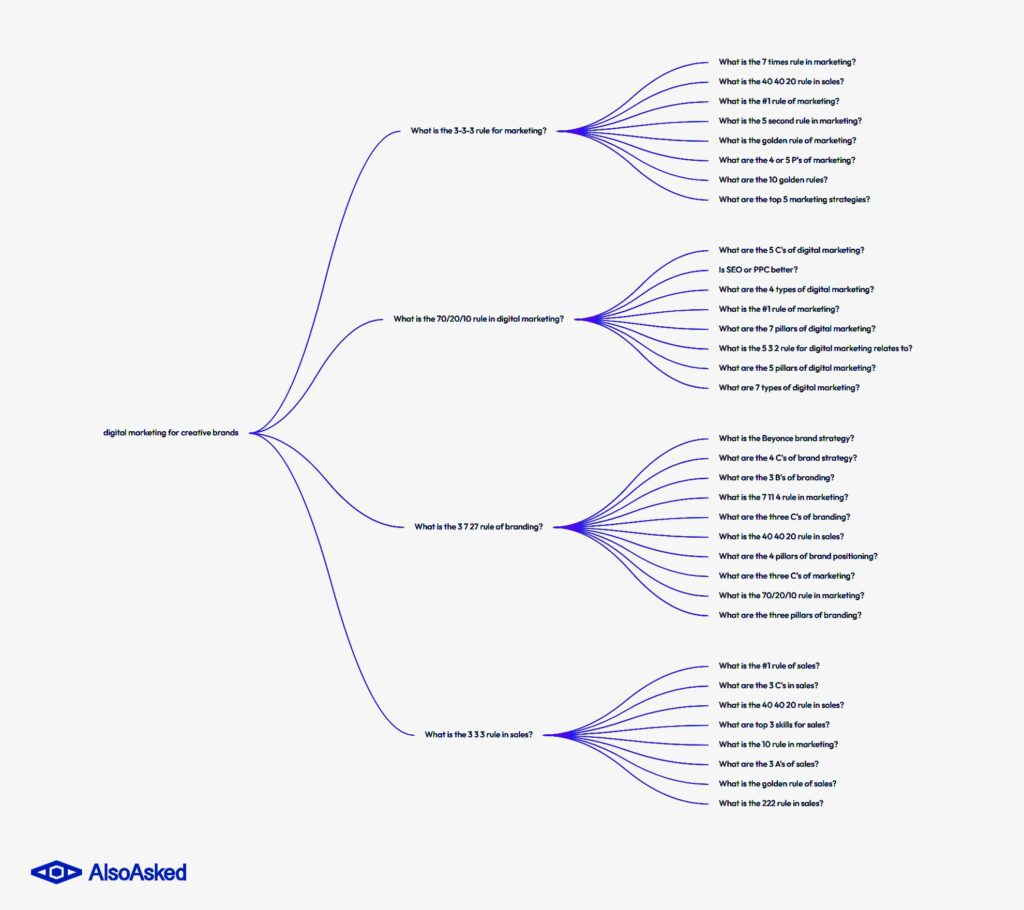
When your content answers real questions clearly, within your first paragraph, you build authority and improve discoverability. This is where content marketing and SEO work together. Tools like AnswerThePublic or AlsoAsked help you find the right questions.
Make your messaging more niche specific
Wellness brands often sound similar online. Words like “holistic,” “balanced,” and “nourishing” can feel beautiful, but they are not always enough to explain value and differentiate yourself from others to stand out in a crowded market.
Compare the difference
Instead of:
“We help women reconnect with their inner balance.”
Try:
“We help busy women manage hormone-friendly nutrition with realistic support and practical meal guidance.”
Specific messaging helps your audience feel seen. It also gives you better keyword opportunities because your wording starts to reflect what people actually search for.
Focus on consistency, not volume
You do not need to post every day to grow. You need a realistic system that you can maintain.
A simple content rhythm
- Two blog posts per month.
- One email newsletter per month.
- Two to three social posts per week.
- Regular updates to key service or product pages.
Consistency builds trust over time. It also gives search engines more signals about what your site is about, especially when your posts connect to your main services and niche topics.
Better metrics to track
- Website traffic.
- Time on page.
- Contact form submissions.
- Email sign-ups.
- Keyword rankings.
- Sales or bookings from organic traffic.
A good wellness marketing strategy should move you closer to visibility, trust, and conversion. If your content is attracting the right people and guiding them to action, it is working.
If your wellness brand needs a clearer strategy, Datum by Denisa can help you build visibility through SEO, content, and thoughtful digital marketing. Explore my services to create a stronger path from discovery to inquiry to sale.
References:
- Blennd (2025) SEO for Wellness Brands: Build Trust and Rank Higher. Available at: https://blennd.com/how-health-and-wellness-brands-can-win-search-with-ai/.
- Aventive Studio (2025) SEO Tips for Getting Your Wellness Business More Organic Traffic. Available at: https://aventivestudio.com/seo-tips-wellness-business/.
- Hummingbird Agency (2026) 5 Wellness Marketing Strategies 2026 To Drive Sales & Build Loyalty. Available at: https://www.hummingbird.agency/health-wellness-marketing/marketing-strategies-seo/.
- ESade (2026) Wellness: the most sophisticated consumer culture in the market. Available at: https://dobetter.esade.edu/en/wellness-consumer-culture.
- Google Search Central (2026) How to Write Meta Descriptions. Available at: https://developers.google.com/search/docs/appearance/snippet.
Leave a Reply